Business · People · Perspective
Best Diet for Healthy Aging: What MIND, Mediterranean, and New Research Reveal
Few topics in nutrition generate as much debate as which eating pattern is "best." Recent research suggests the better question might be which pattern you can actually sustain, and how it fits your health goals, your budget and your daily routine. Several recent reports point in the same direction: the quality of the whole diet matters more than any single superfood or trend.
The MIND Diet Gets Another Look
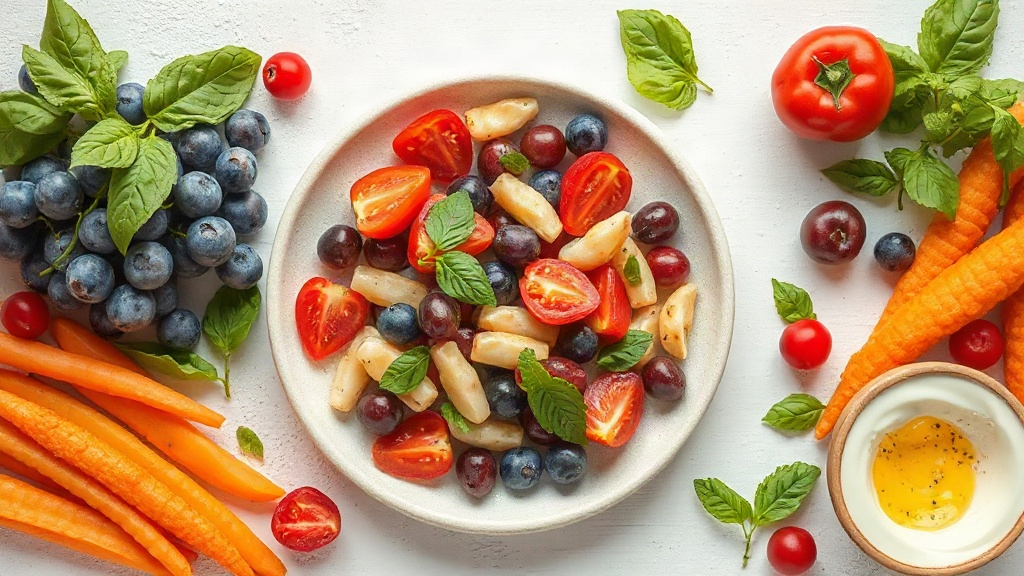
The MIND diet blends elements of the Mediterranean and DASH eating styles, with a particular focus on foods linked to brain health. Think leafy greens, other vegetables, berries, nuts, beans, whole grains, fish, poultry and olive oil, while limiting red meat, butter, cheese, pastries and fried or fast food.
A newly reported analysis from the HAPIEE cohort, a large population study in Central and Eastern Europe, examined how closely people followed this pattern and how that related to cognition and to deaths from all causes and from cardiovascular disease. The study adds to a growing body of observational evidence connecting plant-forward, minimally processed eating with healthier aging, both for the brain and for the heart.
It is worth remembering that observational studies show associations, not proof of cause and effect. People who eat this way often exercise more, smoke less and have better access to healthcare. Still, the consistency of findings across different populations is hard to ignore.
Mediterranean Isn't the Only Winner
For years, the Mediterranean diet has been the gold standard in headlines. Recent coverage of new research highlights that it is not the only pattern associated with aging well. Other well-studied approaches also stand out, and what they share matters more than where they differ.
The common threads are easy to spot:
- Lots of plants: vegetables, fruit, legumes, nuts and whole grains form the foundation. - Healthy fats: olive oil, nuts, seeds and fatty fish replace heavily processed fats. - Fewer ultra-processed foods: sugary drinks, refined snacks and processed meats take a back seat. - Moderation, not perfection: none of these patterns require eliminating entire food groups.
If a traditional Mediterranean menu does not match your culture or kitchen, you can still capture the benefits by following these principles with foods you already love.
Technology Enters the Kitchen
Personalization is the next frontier. A recent report asks whether an AI-guided diet can outperform standard healthy eating advice for people taking metformin, one of the most widely prescribed medications for type 2 diabetes. The idea is that algorithms can use data such as glucose responses, food logs and personal preferences to tailor recommendations in ways generic guidelines cannot.
It is an intriguing concept, since people do respond differently to the same foods. But it is early days for many of these tools. Anyone managing diabetes or taking medication should work with a doctor or registered dietitian before making major changes, because diet and medication interact in ways that need monitoring.
Practical Ways to Eat for Long-Term Health
You do not need a perfect plan or a subscription app to benefit from the science. These small, repeatable habits are a solid starting point:
1. Add before you subtract. Aim to include a serving of leafy greens or another vegetable at lunch and dinner before worrying about what to cut. 2. Snack on berries and nuts. Both appear regularly in brain-friendly eating patterns and are easy to keep on hand. 3. Swap your cooking fat. Using olive oil in place of butter is one of the simplest upgrades. 4. Eat fish regularly. Aim for a couple of servings a week, choosing options like salmon, sardines or trout. 5. Choose whole grains. Oats, barley, brown rice and whole-wheat bread bring more fiber and nutrients than refined versions. 6. Treat red meat and sweets as occasional. You can still enjoy them without letting them define your plate.
Consistency Beats Perfection
The headlines will keep changing, with new studies, new acronyms and new technologies promising to optimize every bite. Yet the underlying message has been remarkably stable: build meals around whole, minimally processed plant foods, include healthy fats and lean proteins, and keep indulgences in perspective.
Whether you lean Mediterranean, MIND, DASH or a blend that suits your own tastes, the best diet is the one you enjoy enough to keep eating for decades. Start with one or two changes this week, and let them become habits before adding more.