Business · People · Perspective
Diet, Longevity, and Mental Well-Being: How to Eat Healthy Without Giving Up Pleasure
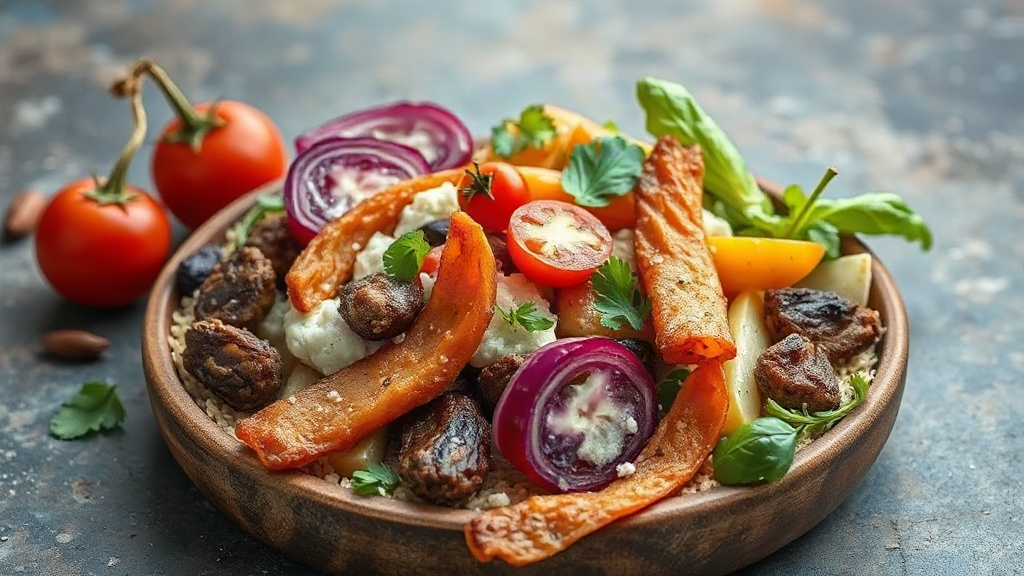
Diet conversations tend to swing between extremes: strict rules on one side, guilt-free indulgence on the other. This week's headlines show a more balanced picture. Food is a driver of longevity, a factor in mental well-being, a policy challenge for entire nations, and also a source of simple enjoyment. These ideas fit together better than they might seem.
Diet and Lifespan: What the Latest Review Suggests
A new review covered by ScienceAlert asks a question many people have wondered about: what matters more for a long life, a healthy diet or exercise? According to the headline, the answer isn't even close, with food coming out ahead.
That doesn't mean you should skip the gym. Physical activity protects the heart, bones, mood, and independence as we age. But the finding reinforces something nutrition researchers have long argued: what you eat day after day shapes your long-term health in ways that are hard to offset with a workout. The old saying that you can't outrun a bad diet keeps gaining support.
The practical takeaway is encouraging. Daily meals offer many chances to make small, repeatable improvements:
- Build plates around vegetables, legumes, whole grains, and fruit - Choose fish, nuts, and olive oil more often than heavily processed snacks - Cut back on sugary drinks and ultra-processed foods - Keep portions reasonable without turning every meal into a math problem
Eating Patterns and Mental Well-Being
Food affects more than the body. MindBodyGreen recently highlighted research linking one dietary pattern to less psychological distress in just 12 weeks. That's a short window, and it adds to a growing body of work on the connection between nutrition and mood.
The mechanisms are still being studied. Researchers are looking at gut health, inflammation, blood sugar stability, and nutrient intake, including fiber, omega-3 fats, magnesium, and B vitamins. Diet is not a substitute for professional mental health care, and anyone struggling should seek support. Still, it's a meaningful lever. Eating regular, nutrient-dense meals may help create conditions in which people feel steadier and more energetic.
The Case for Eating Purely for Pleasure
Against that backdrop, a recent New York Times piece makes a thoughtful counterpoint: there are benefits to eating purely for pleasure. After years of calorie counts, macro tracking, and wellness trends, the idea feels almost radical.
It also has a strong rationale. Rigid food rules can fuel stress, preoccupation, and a cycle of restriction and overeating. Enjoying food without moralizing it often supports a healthier relationship with eating. Slowing down, savoring flavors, and sharing meals with others can improve satisfaction and help people notice natural hunger and fullness cues.
Pleasure and nutrition aren't opponents. A ripe tomato in season, a warm bowl of lentil soup, or a favorite dessert enjoyed mindfully can all belong in a healthy pattern. The goal is consistency over perfection.
Healthy Diets Are a Systems Issue
Individual choices only go so far if healthy food isn't accessible or affordable. That's the focus of a webinar series from IFPRI, whose latest session looks at end-to-end solutions for healthier diets, with insights from Sri Lanka. The title points to an important idea: improving diets means looking at the whole chain, from farming and food processing to markets, prices, labeling, and consumer behavior.
This matters well beyond one country. Many regions face the double burden of undernutrition alongside rising rates of overweight and diet-related disease. Solutions that work tend to combine agricultural policy, nutrition education, and affordable access to nutritious foods, rather than relying on willpower alone.
Bringing It Together
These stories point to a sensible approach to eating today:
1. Prioritize food quality. Diet appears to be a powerful influence on how long and how well we live. 2. Think beyond physical health. What's on your plate may influence stress, mood, and mental resilience. 3. Leave room for joy. Satisfaction and flexibility make healthy habits easier to sustain. 4. Support better food environments. Healthy choices are easier when communities, workplaces, and policies make them accessible.
A good diet doesn't require perfection or deprivation. Focus on mostly whole, minimally processed foods, eat with attention and enjoyment, and treat food as both fuel and one of life's genuine pleasures. That balance is likely to serve your health far better than any short-lived trend.