Business · People · Perspective
Exercise Like an Astronaut: Fitness and Heart Health Lessons from the International Space Station
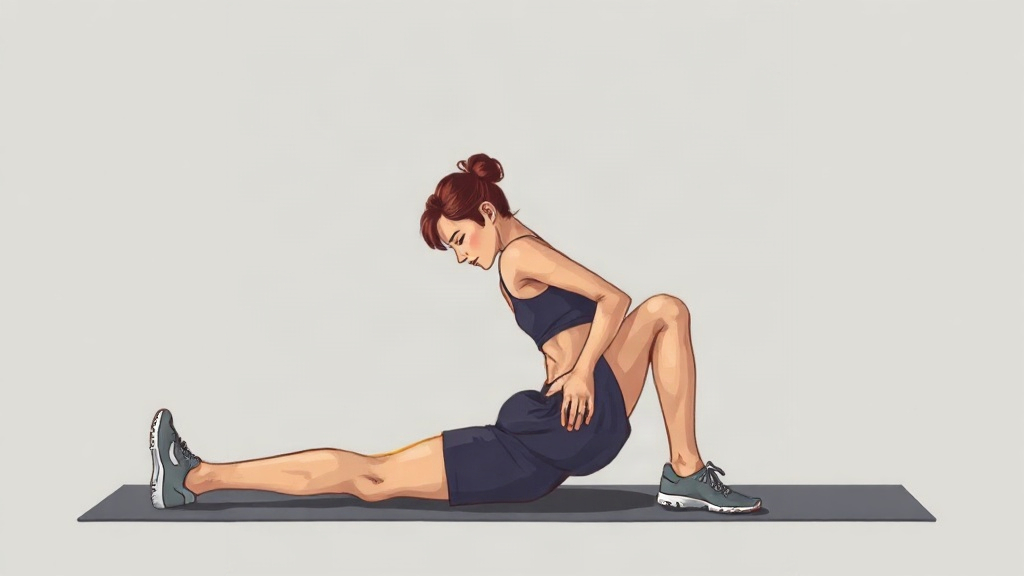
Astronauts living aboard the International Space Station have one of the most demanding reasons to exercise on the planet, or rather, off it. Without gravity doing its daily work, muscles weaken, bones lose density, and the heart no longer has to fight to pump blood upward. Recent NASA reporting on cardiac research and exercise studies for station crews shows just how seriously the agency treats movement as medicine, and the lessons apply well beyond orbit.
Why Space Is the Ultimate Fitness Lab
On Earth, simply standing up, walking, and climbing stairs gives your cardiovascular and musculoskeletal systems a constant workout. In microgravity, that load disappears. Without regular countermeasures, astronauts can lose muscle mass and bone density at a rapid pace, and the heart can change in shape and function.
That is why crew members typically exercise for roughly two hours a day, six days a week. Their routine combines treadmill running, cycling, and resistance training on specialized equipment that simulates the effect of lifting heavy weights. Researchers study how these routines affect heart rhythm, blood flow, and overall cardiovascular fitness, then refine the protocols to keep crews healthy on long missions.
The goal is practical: as missions grow longer and travel farther from home, astronauts need to arrive in good physical condition and recover quickly afterward. Efficient, evidence-based exercise is one of the most powerful tools available.
What Everyday Exercisers Can Learn
You do not need a space station to benefit from the same principles. Several takeaways stand out.
Combine cardio and strength. Astronauts do not rely on one type of training. Aerobic work protects the heart, while resistance work preserves muscle and bone. Current public health guidelines echo this approach, recommending at least 150 minutes of moderate aerobic activity per week alongside muscle-strengthening sessions on two or more days.
Consistency beats intensity. Space crews follow a structured, near-daily schedule. For most people, a steady habit of moderate sessions delivers more lasting benefits than occasional all-out efforts followed by long breaks.
Load your bones. Weight-bearing and resistance exercise signal the skeleton to stay strong. Walking, jogging, stair climbing, and lifting all help, and this matters more as we age and bone density naturally declines.
Monitor your heart. Cardiac research in space highlights how responsive the heart is to the demands placed on it. Tracking resting heart rate, recovery time after exertion, and perceived effort can give you useful feedback on your fitness trends.
Building a Routine That Sticks
Many people struggle not with knowing what to do but with sticking to it. A few simple strategies help.
- Schedule workouts like appointments. Put them in your calendar and protect that time. - Start smaller than you think. Twenty to thirty minutes of brisk walking or a short strength circuit is enough to build momentum. - Rotate activities. Alternate running, cycling, swimming, bodyweight training, or classes so boredom and overuse injuries are less likely. - Progress gradually. Increase duration, resistance, or intensity in small steps every week or two. - Prioritize recovery. Sleep, hydration, and protein-rich nutrition are part of the training plan, not extras.
Movement as a Long-Term Investment
One reason space exercise research captures so much attention is that it shows what happens when the body is deprived of regular physical stress. The changes astronauts experience in weeks resemble, in an accelerated form, what a sedentary lifestyle can do over years. Desk-bound workers, remote professionals, and anyone who spends hours seated can relate.
Breaking up long periods of sitting with short walks or stretching breaks, taking stairs when possible, and adding a few strength sessions each week can counter many of those effects. Small, repeated choices add up to a stronger heart, sturdier bones, and better energy.
If the people who live and work hundreds of miles above Earth make time for structured exercise every day, the rest of us can find thirty minutes to move. The science is clear: the body thrives on challenge, and the best time to start giving it one is today.