Business · People · Perspective
Nutrition for Older Adults: Key Nutrients, Latest Research, and Why Access to Healthy Food Matters
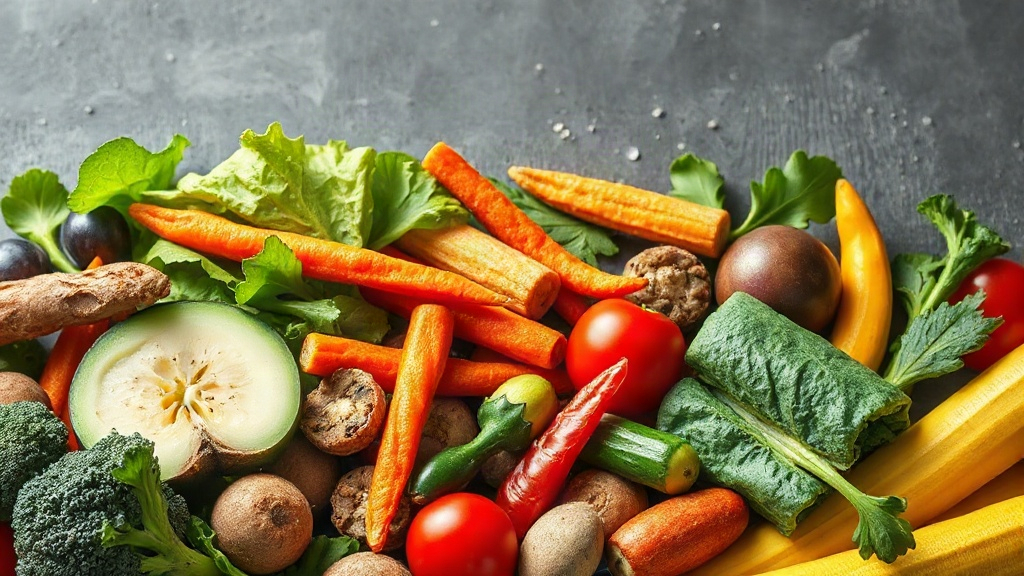
Nutrition is having a moment in public health, and not just in wellness circles. This week, the U.S. Department of Health and Human Services announced more than $3 million in awards to strengthen nutrition services for older adults. Universities are also drawing attention for research efforts, including a faculty team recognized in an NIH nutrition challenge and a nutrition research institute taking on some of the field's toughest questions. Together, these stories point to a simple idea: what we eat matters at every stage of life, and access to good food matters just as much as knowing what's good for us.
Why Nutrition Needs Change With Age
Appetite, metabolism, and nutrient absorption all shift as we get older. Many adults eat less overall, yet their need for certain nutrients stays the same or even rises. That makes every bite count.
Funding for senior nutrition services, such as home-delivered meals and community dining programs, supports more than calories. These programs offer consistent, balanced meals and, often, social connection, which is itself linked to better eating habits and overall well-being.
Nutrients Worth Paying Attention To
If you're an older adult, or you help care for one, a few nutrients deserve special focus:
- Protein: Adequate intake helps preserve muscle mass and strength, which supports balance, mobility, and independence. Eggs, Greek yogurt, fish, poultry, beans, lentils, and tofu are accessible options. Spreading protein across meals is often more effective than loading it into dinner. - Vitamin B12: Absorption can decline with age, especially for people who take certain medications. Fortified cereals, dairy, fish, and eggs can help, and a clinician can advise on testing or supplementation. - Vitamin D and calcium: Together they support bone health. Fortified milk or plant-based alternatives, canned salmon with bones, and leafy greens contribute, and sensible sun exposure plays a role. - Fiber: Whole grains, vegetables, fruit, and legumes support digestion and heart health, and they help with blood sugar control. - Fluids: The sensation of thirst can fade over time, so regular sips of water, herbal tea, or broth-based soups are worth building into the day.
The Bigger Picture: Research Is Getting More Personal
The research side of nutrition is evolving quickly. Scientists are increasingly asking why two people can eat the same meal and respond so differently. Factors like genetics, the gut microbiome, sleep, activity level, and medical history all shape the answer. That's the heart of what's often called precision nutrition, and it's behind many of the tough questions research institutes are now tackling.
Recognition in national research challenges also signals growing interest in practical, data-driven approaches to dietary guidance. The goal isn't to replace sound basics but to refine them, so advice becomes more useful for real people with real constraints.
Practical Ways to Eat Better Right Now
You don't need to wait for the next breakthrough to improve your eating habits. Evidence-backed basics still go a long way:
1. Build balanced plates. Aim for half vegetables and fruit, a quarter lean protein, and a quarter whole grains or starchy vegetables. 2. Choose minimally processed foods more often. Frozen vegetables, canned beans, and plain oats are budget-friendly and nutritious. 3. Read labels for sodium and added sugar. Soups, sauces, and ready meals can be surprisingly high in both. 4. Plan ahead. A short weekly menu and a simple grocery list reduce food waste and last-minute takeout. 5. Eat with others when possible. Shared meals tend to be more enjoyable and often more balanced.
Access Is Part of the Equation
Even the best dietary advice falls flat if healthy food is out of reach. Transportation, cost, mobility, and cooking ability all influence what ends up on the table. That's why investment in community-based nutrition services matters. It meets people where they are and turns guidelines into actual meals.
If you or someone you know could benefit from meal programs, local Area Agencies on Aging are a good starting point for finding home-delivered or congregate meal options nearby.
Good nutrition isn't about perfection. It's about steady, realistic choices, supported by research, community resources, and a food environment that makes the healthy option the easy one.