Unleashing the Health and Environmental Benefits of Plant-Based Diets: A Comprehensive Guide

As a proficient SEO copywriter with a firm grasp of contemporary nutrition trends, I’ll shed light on one of the most transformative shifts in the diet industry today: the rise of plant-based diets.
Over the years, a growing body of research has hailed plant-based eating not only as a means to heart health, lower risk of cancer, and better weight control, but also as a powerful tool in combating climate change.
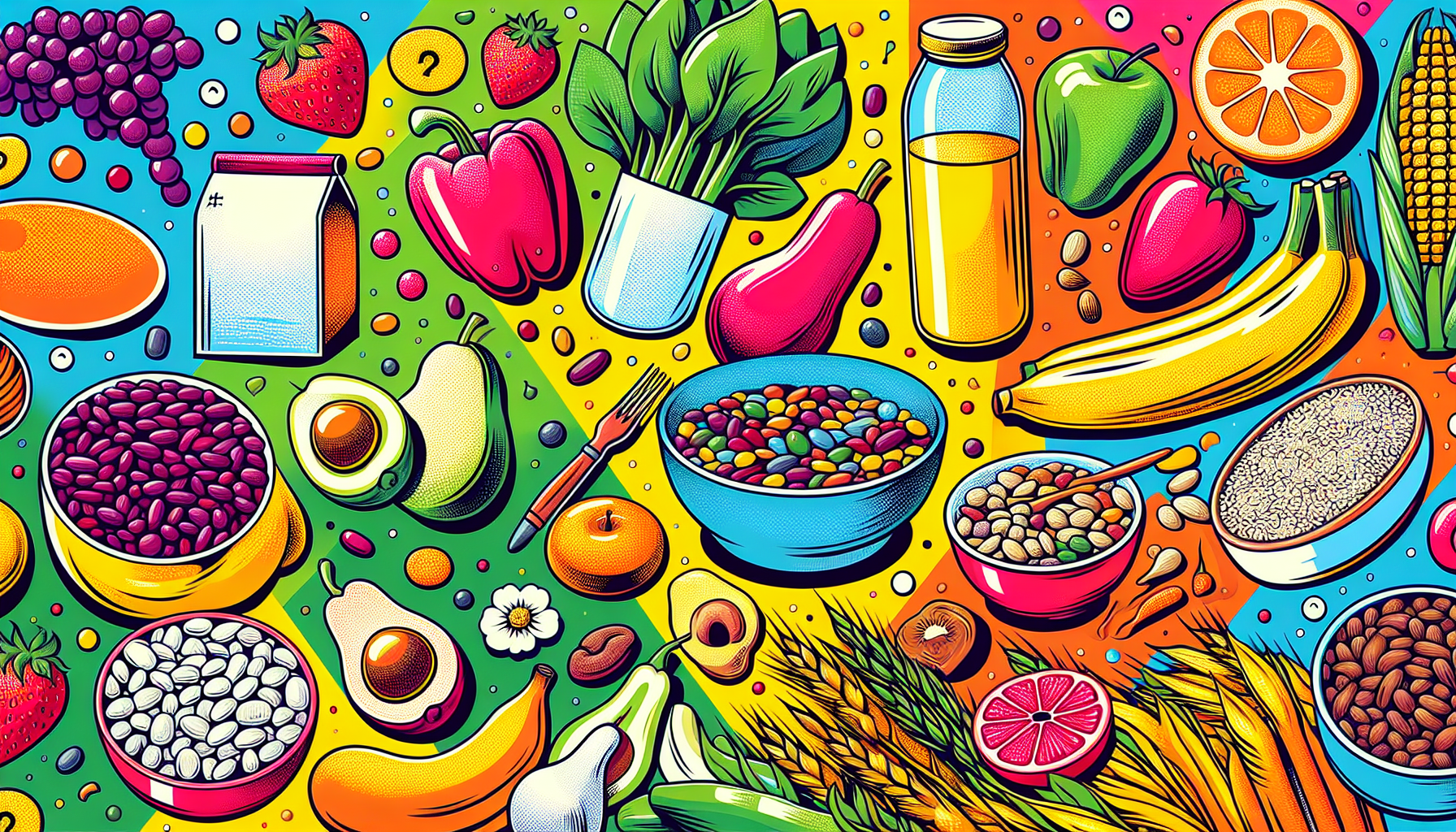
Plant-based diets, which prioritize fruits, vegetables, grains, beans, legumes, and nuts, are celebrated for their abundant nutritional value. They’re packed with fiber, vitamins, and minerals that fuel our bodies while lowering the risk of chronic diseases.
One key advantage of a plant-based diet is its low saturated fat and cholesterol content.
The American Heart Association applauds these diets for their potential to reduce heart disease risk factors, such as high blood pressure and cholesterol.
In addition, a study published in the Journal of Geriatric Cardiology found that these diets can significantly reduce the risk of type 2 diabetes and certain types of cancer.
But what about protein, you may ask? While it’s true that meat is a prime protein source, many plant foods are equally rich in this vital nutrient. Foods like quinoa, lentils, chickpeas, and tofu offer protein levels comparable to those of meat, without the harmful saturated fats.
Moreover, embracing a plant-based diet isn’t just beneficial for our bodies. It also plays a crucial role in environmental sustainability. A report by the United Nations states that transitioning to such a diet could reduce greenhouse gas emissions from the food industry by up to 70%.
With these health and environmental benefits, it’s no wonder that plant-based diets are gaining momentum worldwide. However, it’s vital to ensure that your diet is balanced and nutrient-dense. Consulting a registered dietitian can help tailor a plant-based regimen suited to your unique nutritional needs.
In conclusion, a plant-based diet offers a smorgasbord of benefits for our health and the planet.
As more consumers recognize its potential, we can anticipate a seismic shift in global food culture, one where nutrition and sustainability go hand in hand.
Remember, the journey to optimal health isn’t about drastic changes but consistent, sustainable choices. So, why not take a small step today by incorporating more plant-based foods into your diet?
