Unlocking Optimal Health: Exploring the Nutritional Benefits of a Plant-Based Diet

In the world of nutrition, the buzz around plant-based diets has reached fever pitch. Driven by a combination of environmental concerns, interest in personal health, and ethical considerations, more people than ever are exploring how a diet rich in vegetables, fruits, grains, and legumes can contribute to optimal health and well-being.
A plant-based diet, characterized by its emphasis on consuming whole, minimally processed plant foods, provides a treasure trove of nutrients. Fresh fruits and vegetables are teeming with vitamins and minerals that play crucial roles in bodily functions. These foods are also rich in dietary fiber, an essential nutrient that aids digestion, helps control blood sugar levels, and lowers the risk of heart disease.
Besides, plant-based diets are often lower in saturated fats and cholesterol, both of which are linked to an elevated risk of heart disease. Instead, they are packed with healthier monounsaturated and polyunsaturated fats that contribute to heart health.
Another compelling reason to consider a plant-based diet surfaces when we delve into the realm of phytonutrients.
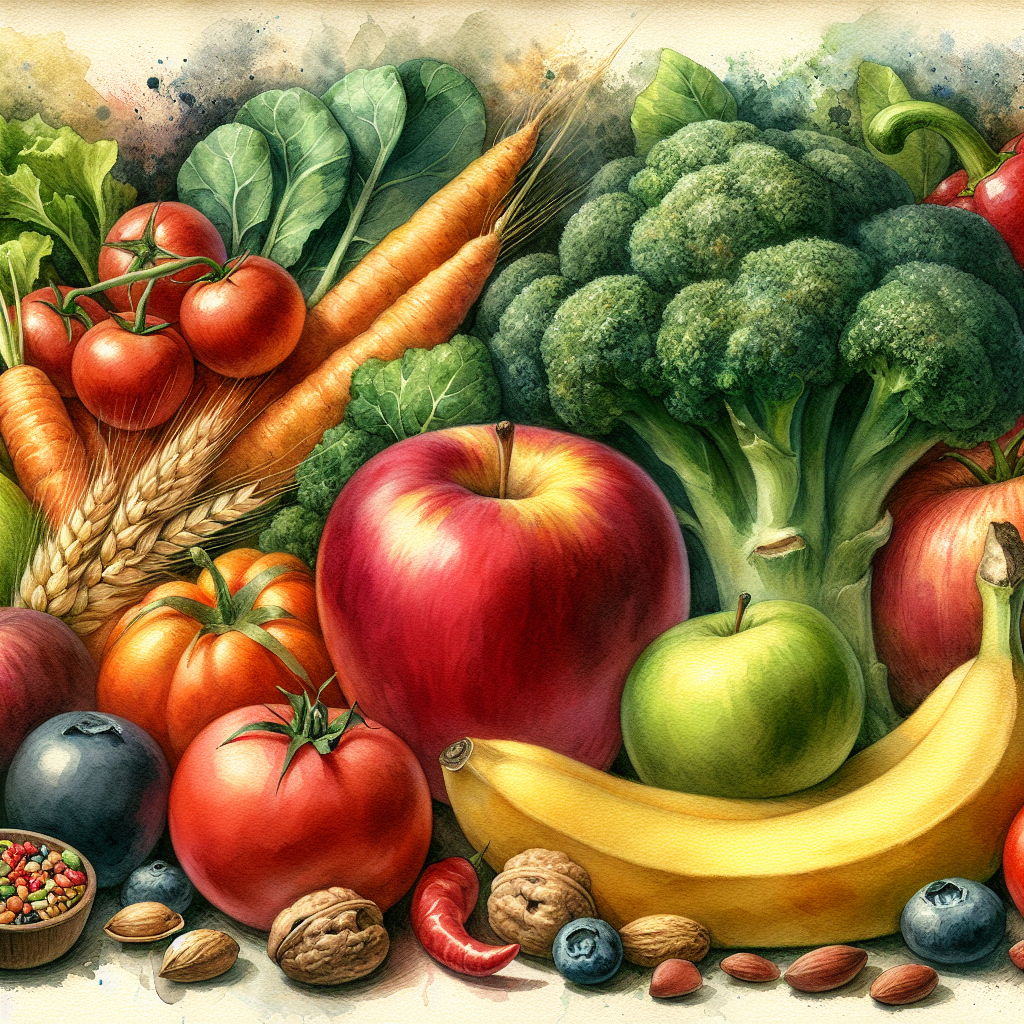
These are naturally occurring compounds in plant foods that offer a range of health benefits. They possess potent antioxidant and anti-inflammatory properties, which can combat various chronic diseases, including cancer and diabetes.
However, it’s crucial to approach a plant-based diet intelligently.
While a diet filled with fruits, vegetables, grains, and legumes can offer numerous health benefits, it’s important to ensure a sufficient intake of certain nutrients such as protein, iron, and vitamin B12, which are more readily available in meat and dairy products. Thankfully, with careful planning and a little knowledge, it’s entirely possible to get these key nutrients from plant sources.
To conclude, as we strive to optimize our health through nutrition, plant-based diets are emerging as a promising strategy. While every individual’s dietary needs and preferences are unique, a growing body of evidence suggests that a diet rich in whole plant foods can significantly enhance health and well-being. However, it’s essential to approach the switch to a plant-based diet with a balanced perspective, taking care to ensure you’re meeting all your nutritional needs.
Remember, the goal is not perfection, but rather a gradual and sustained shift towards healthier eating habits. The plant-based journey is one that doesn’t just nourish the body; it also contributes positively to the well-being of our planet, making it a win-win proposition for us all.
